Stamped & Decorative Concrete
Get the high-end look of stone, brick, or custom pavers at a fraction of the cost.
Why Choose Decorative Concrete
Most people think concrete means plain gray slabs that all look the same. That might have been true decades ago, but modern decorative concrete offers an incredible range of colors, textures, and patterns. You can create surfaces that look like natural stone, brick pavers, wood planks, or custom designs that match your unique style. The best part is you get these premium looks without the premium price tag or constant maintenance that comes with real stone or pavers.
Stamped concrete mimics expensive materials while keeping all the benefits of a solid concrete surface. You will never deal with pavers that shift and grow weeds between them. You will not have individual stones that crack or need replacement. Your decorative concrete surface stays level, resists weather damage, and requires almost no maintenance beyond occasional cleaning and sealing. It is the practical choice that does not look like the practical choice.
From decorative driveways that boost your curb appeal to a stamped concrete patio that transforms your backyard, decorative concrete works anywhere you would use regular concrete. We can add color and texture to walkways, pool decks, entryways, and commercial spaces. If you want something that looks custom and expensive but fits a realistic budget, decorative concrete is your answer.
Popular Decorative Concrete Styles
When we say decorative concrete, we are talking about several different techniques that can transform plain concrete into something special. Here are the most popular options we install for homeowners and businesses in Wilson.
Stamped Concrete
Concrete stamping creates texture and patterns in fresh concrete using specialized mats and tools. We can make your concrete look like slate, flagstone, cobblestone, brick, wood planks, or even custom patterns. The stamping happens while the concrete is still workable, pressing realistic textures into the surface. Combined with color, stamped concrete can fool people into thinking they are looking at real stone or pavers. This technique works great for patios, walkways, driveways, and pool decks.
Colored Concrete
We can add color to concrete in two ways. Integral color mixes pigment throughout the entire concrete batch, creating consistent color that will not wear off. Color hardeners are applied to the surface during finishing, creating richer colors and a more durable surface. Popular colors include earth tones like tan, brown, and terracotta, various grays, and even bolder shades for commercial projects. You can use solid colors or combine multiple colors to create variegated, natural-looking surfaces.
Exposed Aggregate
This finish reveals the natural stones in the concrete mix by washing away the surface cement paste before it fully hardens. The result is a textured surface with visible pebbles and stones that provides excellent traction and a natural appearance. Exposed aggregate works especially well for pool decks, patios, and commercial walkways where slip resistance matters. You can choose aggregate colors and sizes to customize the look.
- Stained Concrete: Acid or water-based stains create translucent color variations for unique, artistic effects on existing or new concrete.
- Polished Concrete: Mechanical grinding and polishing create a smooth, glossy finish popular for commercial spaces and modern homes.
- Engraved Concrete: We can cut patterns and designs into existing concrete for a custom look without a complete replacement.
These techniques can be combined too. A stamped patio with colored concrete and a contrasting border creates a truly custom look. During your consultation, we will show you samples and photos of completed projects so you can see exactly what each option looks like. We want you to be confident in your choice before we start your project.
The Installation Process
Creating decorative concrete requires more skill and time than standard concrete work. The basic steps are the same, but the finishing process is more complex and leaves no room for mistakes. Here is what happens when we install stamped or decorative concrete for your property.
Site preparation happens just like any concrete project. We excavate, grade for drainage, install a compacted base, build forms, and add reinforcement. The concrete mix itself might be slightly different depending on the finish we are creating. Some decorative techniques work better with specific concrete compositions.
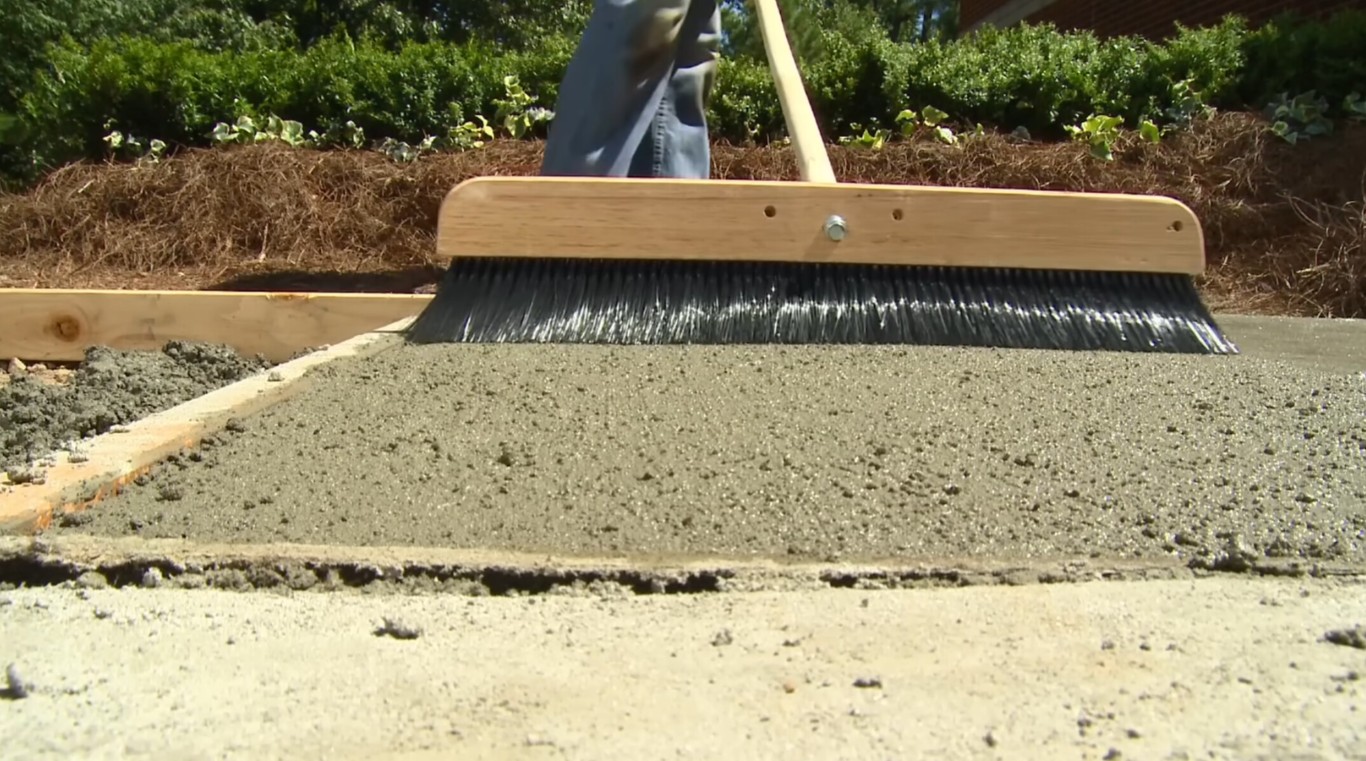
The pour and initial leveling proceed normally, but then the decorative work begins. For colored concrete, we apply color hardeners while the surface is still wet. For stamping, we wait until the concrete is firm enough to hold a pattern but still soft enough to imprint. This timing is critical and requires experience to get right. We press stamping mats into the surface, carefully aligning patterns and working quickly before the concrete sets. Any mistakes are permanent, so this is not work for beginners.
For exposed aggregate, we spray a surface retarder, then wash away the top layer of cement to reveal the stones underneath. This happens the day after the pour when the concrete has set but not fully hardened. Getting the timing right makes the difference between a beautiful finish and a ruined slab.
After the concrete cures, we apply a high-quality sealer to protect the color and texture. Sealing is especially important for decorative concrete because it preserves your investment and makes maintenance easier. The sealer needs to be reapplied every 2 to 3 years, which is something we can do for you or you can handle yourself. Proper sealing keeps your decorative concrete looking new for decades. The same attention to detail we bring to patio installations applies to all our decorative work.