Sidewalks, Walkways & Flatwork
Create safe, attractive pathways and concrete surfaces for your property in Wilson, NC.
Why Concrete Walkways Make Sense
The path from your driveway to your front door, the sidewalk along your street, the walkway to your backyard, these surfaces get more foot traffic than almost any other part of your property. You need something that stays level, looks good, and requires minimal maintenance. Concrete delivers on all three counts better than any other material.
Unlike gravel that scatters and needs constant refilling, or pavers that shift and sink over time, concrete walkways stay put. They will not develop low spots that collect water or high spots that create trip hazards. You can shovel snow off them in winter without worrying about displacing stones or damaging the surface. They work with wheelchairs, strollers, and walkers better than any alternative. A concrete walkway is simply the most practical choice for connecting the different areas of your property.
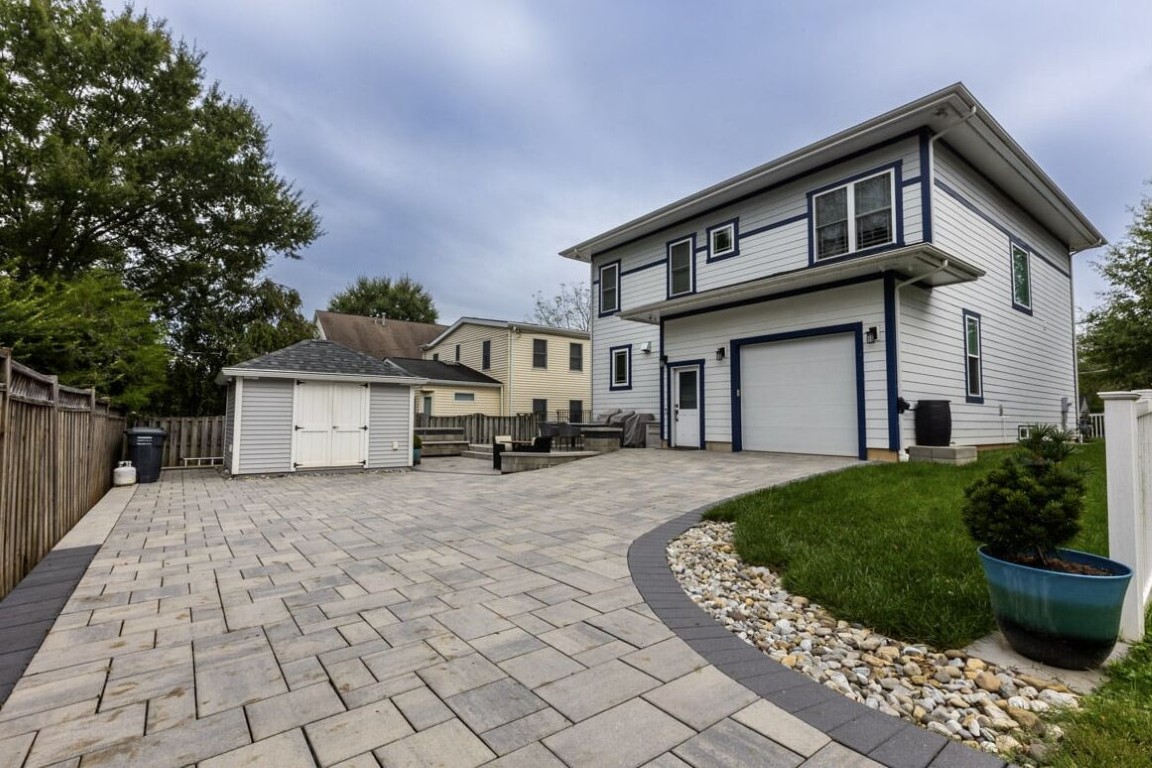
Modern concrete walkways do not have to be boring gray paths. We can add color, texture, borders, and curves to create walkways that enhance your landscaping and complement your home. Whether you want a simple functional path or an attractive feature that adds curb appeal, we can design and install a concrete walkway that fits your needs and budget. The same quality work we bring to driveway installations goes into every walkway we pour.
Types of Flatwork We Install
Flatwork is the general term for any horizontal concrete surface. While driveways and patios are technically flatwork, we usually use this term for the other concrete surfaces around your property. Here are the most common types of flatwork projects we handle in Wilson.
Sidewalks
Public sidewalks along streets usually need to meet local code requirements for width, slope, and accessibility. We handle all the permits and make sure your sidewalk meets ADA standards if required. Residential sidewalks connecting your house to the street or running along your property line need proper base preparation and drainage to prevent cracking and settling. We typically pour sidewalks 4 to 5 feet wide and 4 inches thick with control joints every 4 to 5 feet.
Front and Back Walkways
The path from your driveway to your front door is one of the first things people see when they visit. We can create straight walkways, curved paths, or even multi-level designs with steps. Add borders, decorative edges, or stamped patterns to make your entry more inviting. Back walkways connecting your house to a patio, shed, or garden should be at least 3 feet wide for comfortable walking and wide enough for whatever you typically carry back there.
Concrete Steps and Landings
Steps need proper rise and run dimensions to be safe and comfortable. We follow building codes that specify maximum step height and minimum tread depth. Landings at doorways need to be large enough to safely open the door and stand. We can pour steps as part of a walkway project or replace existing damaged steps. Proper reinforcement and design prevent cracking and settling that make steps dangerous.
- Aprons and Approaches: The transition area where your driveway meets the street or garage requires special attention to slope and strength.
- Garden Paths: Narrower walkways through landscaping that connect different outdoor areas on your property.
- Ramps and Accessible Paths: Properly sloped concrete ramps that meet accessibility requirements for wheelchairs and mobility devices.
- Service Areas: Concrete pads for trash bins, AC units, pool equipment, and utility access that need solid, level surfaces.
Whatever type of flatwork you need, we have the experience to do it right. We understand local codes, ADA requirements, and best practices for long-lasting concrete. Every project at WLS Wilson Concrete gets the same careful attention whether it is a small walkway or a large commercial sidewalk.
Design Considerations for Walkways
A well-designed walkway does more than just get you from point A to point B. It should be safe, functional, and attractive. Here are the key factors we consider when planning your walkway project.
Width matters more than most people realize. A 3-foot walkway is the minimum for comfortable single-file walking. Four feet allows two people to walk side by side. If you use a wheelchair or walker, you need at least 4 feet, preferably 5. We also think about what you carry on this path. Bringing groceries from the car? Wheeling a lawn mower to the backyard? Make the path wide enough for your actual use, not just what looks adequate on paper.
Slope and drainage are critical for both function and safety. Walkways need to slope slightly to shed water, but not so much that they become slippery or difficult to navigate. A slope of 1 to 2 percent works well for most situations. Steeper slopes may need steps or a combination of ramps and landings. We also make sure water drains away from your house and does not pool on the walkway surface. In Wilson, proper drainage prevents ice formation in winter and reduces slip hazards.
Surface finish affects both appearance and safety. A smooth trowel finish looks clean but can be slippery when wet. A broom finish adds texture for better traction without looking industrial. Stamped or decorative finishes create visual interest while maintaining good slip resistance. We recommend finishes based on your location and how the walkway will be used. A front entry walkway might get a decorative finish, while a utilitarian path to the shed might just need a basic broom finish.